I ranked all 18 pedals I own, excluding those I have put on sale.
At first glance, it looks like a gear ranking. Eighteen pedals, from the one I value most to the one I use least. But the list says more about where I am as a musician now than about the pedals themselves.
The Greer Special Request sits at number one. She is not the loudest voice in the room, nor the pedal with the most obvious personality. She simply does her job. She adds what I need, settles things down when necessary, and makes the rest of the chain work better. A quiet, sensible class monitor among a few noisier students.
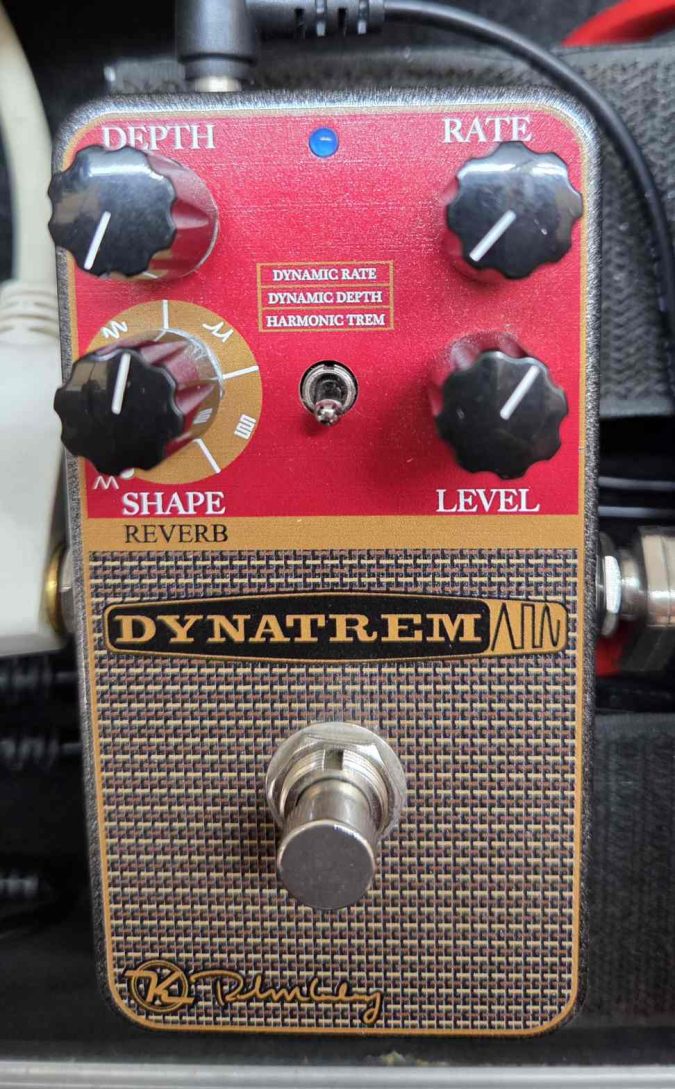
The Keeley DynaTrem comes second. She is my proudest pedal purchase, an absolute champion that has given me more than I expected. She can add movement, space and character without demanding that I build my playing around her.
The DP-70 takes third place, followed by the FFM2 and Orange Distortion. Different pedals, different personalities, but all useful in ways that make sense to me. The FFM2, in particular, has reminded me that a satisfying playing experience does not have to come with a high price tag.
Then there is the rest of the list. Some pedals are specialists. Some are experiments. Some are useful in the right combination. The Fundamental Delay sits at the bottom, not because she is a bad pedal, but because she currently matters less to the way I play.
That distinction matters.
I used to think more about what a pedal could do, how unusual it was, or what new sounds it might unlock. These days, I am more interested in what happens when I stop thinking about the pedals and start playing.
A good pedal should not always announce itself. Sometimes, its value lies in how naturally it fits into the whole setup. Sometimes, it gives me a sound I want. Sometimes, it simply gets out of the way.
Recently, I have been spending more time with two-pedal combinations. A fuzz and a tremolo. Nothing complicated. With Faith, Lady or Joy plugged in, I can move from clean to overdrive to fuzz using the guitar’s volume and tone controls, along with pick attack and touch. The pedals do their part, but my hands remain in charge.
That has been more satisfying than assembling a complicated chain just because I can.
Perhaps that is what the ranking really reflects. Not which pedals are objectively the best, but which ones make the most sense in my hands, in my room, and at this point in my life.
I am a home musician now. I play because I enjoy the sound, the feel, and the little discoveries that happen when I spend time with an instrument. I do not need every pedal to be a star. I do not need every combination to become a permanent fixture.
I only need the things that help me play